Real Conservation Requires Everyone
I’ve been an avid animal lover my entire life, and for the latter half of my life, I’ve known I wanted to work with animals in some capacity. Naturally, I’ve spent a lot of my time consuming animal-related books, articles, documentaries, and social media content. I’ve also worked with many people in the field of wildlife and nature conservation. I’ve familiarized myself with many of the biggest conservation issues around the world, and I’ve noticed a disturbing trend that I think is slowing real progress in conservation. The biggest victims of environmental destruction seem to be the ones most often blamed for it.
Most of what people know about conservation is about the human-caused destruction happening all over the globe, from deforestation to mass extinction and everything in between. It’s easy to get caught up in the idea that anyone involved in that behavior is pure evil; I’ve been guilty of this type of thinking as well, and I think the way we simplify complex environmental issues is to blame.
We teach people about poachers killing elephants before we teach them about the exploitation of African nations that leaves people so desperate to feed their family that they’ll kill an elephant. We say farmers are burning the Amazon rainforest to raise cattle instead of talking about the destructive practices of the cattle industry. We talk about fishermen overfishing their local waters, but not about how the locals have fished the same way for generations, so something else must be causing the decline. We place the blame on the people directly involved because learning about the real perpetrators adds too much nuance.
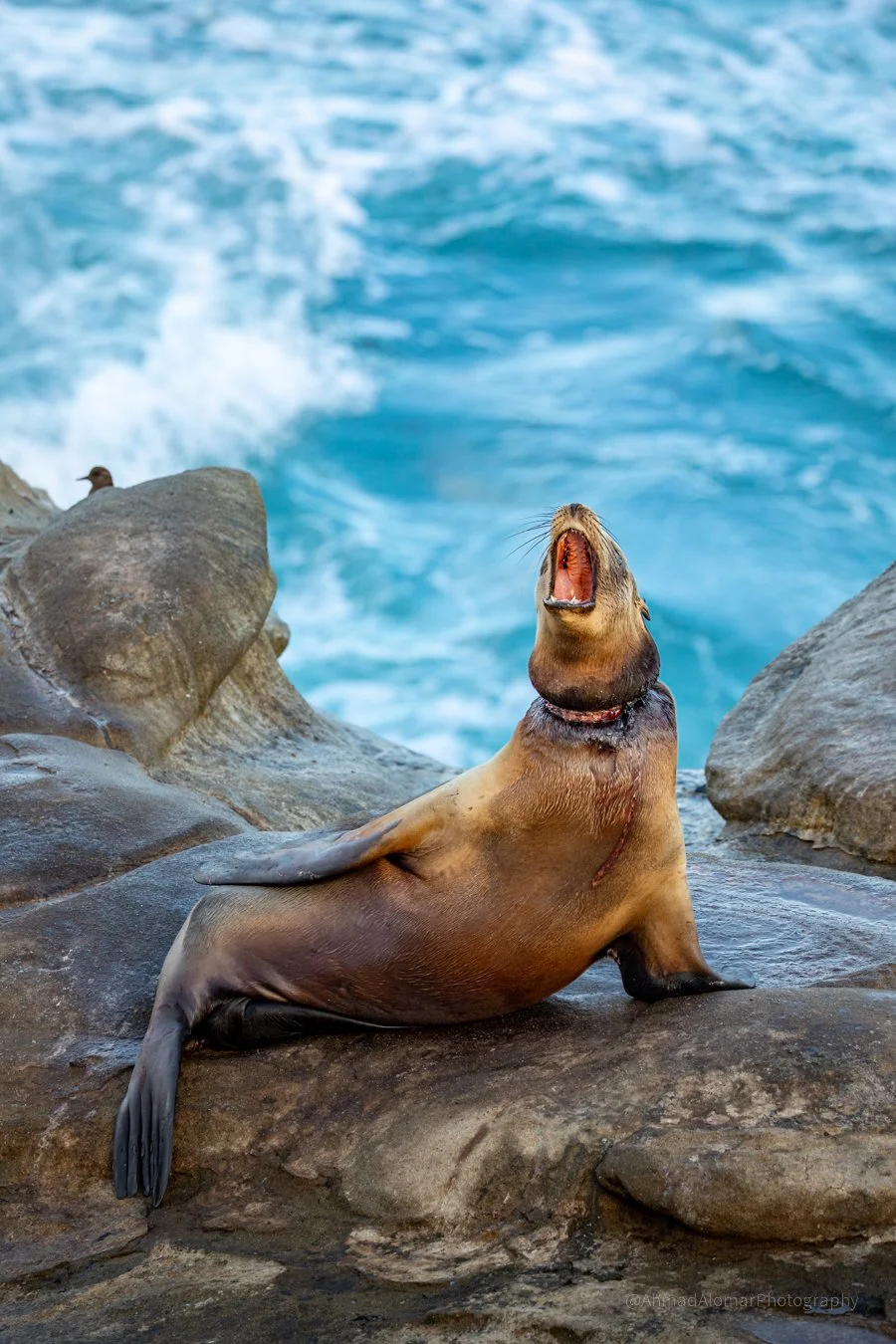
This is where people looking from a position of privilege seem to get lost. Many people (myself included) are lucky enough to live in places where environmental destruction can be ignored with little consequence. The most visible threats to our local wildlife are car strikes and entanglements. For these issues, the solutions are often straightforward (in theory), like building a wildlife crossing or regulating fishing gear.
I think this relative simplicity is why the solutions offered for global conservation issues, especially in underdeveloped regions of the world, are often patronizing or misguided. Either throw money at the problem or get rid of the “bad” people. Flying a team of scientists to an island nation to condescendingly tell the citizens how to take better care of their local ecosystems will never be received well. Sting operations to arrest poachers, forest and ocean patrols searching for evil doers to take in sounds like justice, but it doesn’t address the bigger issues at hand.
What these “solutions” often ignore is the desperation that drives people to destroy nature in these ways. Many of these people live in places where their access to income is extremely limited, often due to exploitation from foreign nations and corporations. Living in towns where the same job has sustained them for generations, the demand may increase over time, or their environment has changed in such a way that it makes the only job they know impossible. If a father is arrested for overfishing or a mother for poaching turtle eggs, that family is only going to get more desperate. How could someone in that situation possibly prioritize the environment over their hungry family?
Real conservation strategies are starting to become more popular as we start to see how effective they truly are. Proper solutions give people realistic options to make a living, and they almost always choose to protect their local ecosystem rather than destroy it. Elephant poachers offered jobs as park rangers often excel with the insider knowledge they bring. Fishermen provided with the tools to convert their boats into vessels for diving expeditions contribute to the tourism industry and their local economy. Cattle farmers paid to protect the Amazon rather than destroy it become some of the greatest allies the rainforest could have.
When people have their basic needs met, and they no longer exist in survival mode, it frees up space in their minds to think about their impact on the world around them. Providing people with the means and tools to take care of the home they grew up in will always work better than simply telling them to do better. Combining science, compassion, and indigenous knowledge always yields the best results. We have to remind ourselves that people we may perceive as evil are often being exploited by those who truly are.