Interacting Responsibly with Wildlife
I recently had the privilege of visiting Cape Spartel in Morocco. Based on my experience thus far on the trip, I expected beautiful coastal views and maybe a few feral dogs and cats. To my surprise, not long after I started exploring the cape, a Mediterranean boar and her piglets came wandering out from between the trees, grazing on the forest plants.
As a responsible wildlife photographer, I made sure to keep my distance and not disrupt the natural behavior of these boars. Over time, they grazed closer to me as I remained still in my spot, until suddenly, multiple piglets abandoned their grazing and ran right over to me. Boars’ reputation for aggression precedes them, so I knew getting up suddenly might startle the piglets and provoke mom. I remained in place, trying to snap a few shots of the piglets that surrounded me.
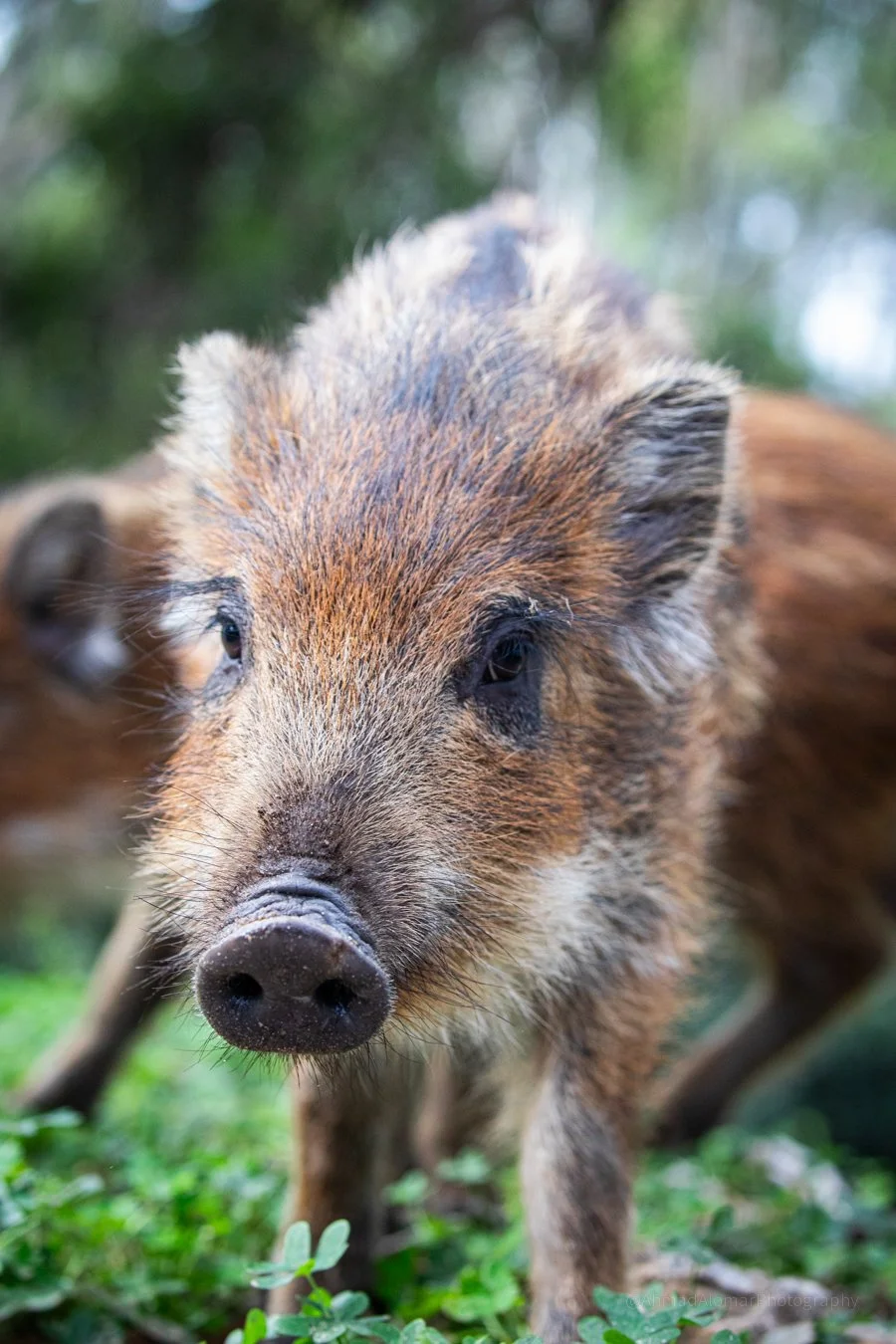
Not long after, a crowd began to form around the mom and her piglets, and I quickly realized why they approached me. One after the other, people threw any food they had in hand at the boars, who quickly gobbled it up. Even mom was getting in on the free food. Eventually, the crowd ran out of food and dissipated. It was clear this was a common occurrence around here.
A few minutes later, a park employee who watched everything unfold picked up a large stick, waved it over his head, and chased the boars into the woods. I was a bit shocked at first, but it took me a minute to realize that he was actually doing the responsible thing. By chasing the boars away, he helped to sever the connection in their minds between humans and an easy meal.
Feeding wildlife feels harmless to most people; it’s something many people grew up doing with the ducks at their local park. But even something as innocent as that can have harmful effects on wildlife. Feeding wildlife decreases their ability to forage for themselves, and animals know best what food is good for them. Most people aren’t going out of their way to find food that’s healthy for ducks. They will either throw the food they brought for their picnic or bring a stale loaf of bread. In either case, these foods can not only damage the ducks’ health but also affect their physiology, leading to conditions such as “angel wing”.
With larger animals, the risks are greater. When large animals associate people with food, they approach more people, increasing the chances of dangerous interactions. In the case of the boars, if someone tried to pet or lift one of the piglets and the mom didn’t like it, she could charge and do a lot of damage. Not only would this injure the person on the receiving end, but the mom would likely be killed because she’s now perceived as a threat to public safety. This might sound like a wild hypothetical scenario, but it is a common occurrence in places where humans live near large animals like bears, alligators, and bison.
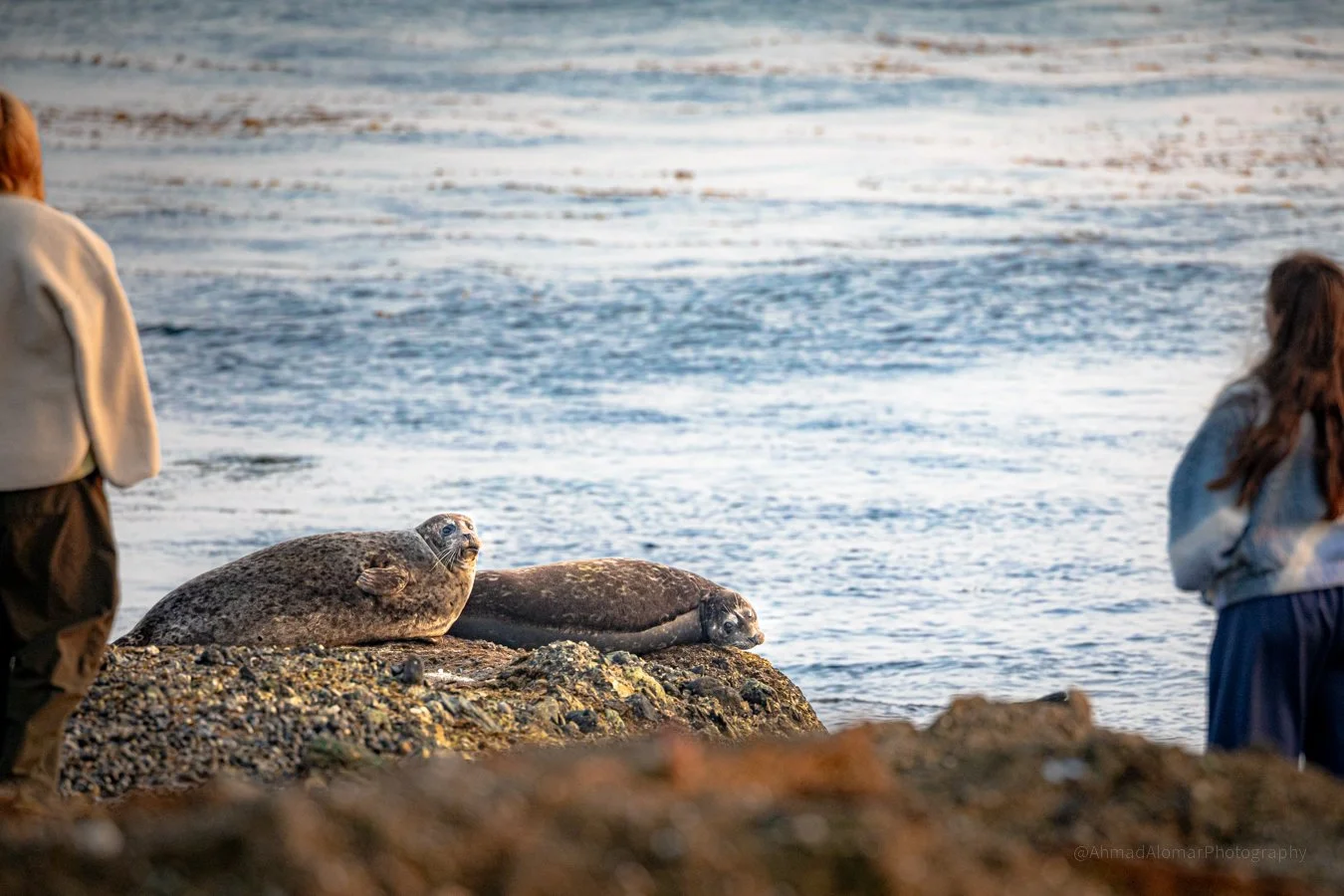
So, how do we observe and appreciate wildlife responsibly? Obviously, the most important first step is to keep your distance. Some animals, including many marine mammals, are federally protected with regulations on how close humans can get to them (about 50 yds). Other animals don’t have the same protection, and it's on the public to make the responsible decision to keep their distance.
I know it feels very cool to be able to walk right up to a big animal, but it feels even cooler to stay in one spot and have an animal approach you. Although it is illegal to swim up to seals and sea lions, they will often approach scuba divers underwater out of curiosity. Many wildlife photographers have stories of animals and their babies coming very close when they were camped in one spot far away. In these scenarios, as long as you’re not in danger, it’s important to stay still and let the animals control the interaction.
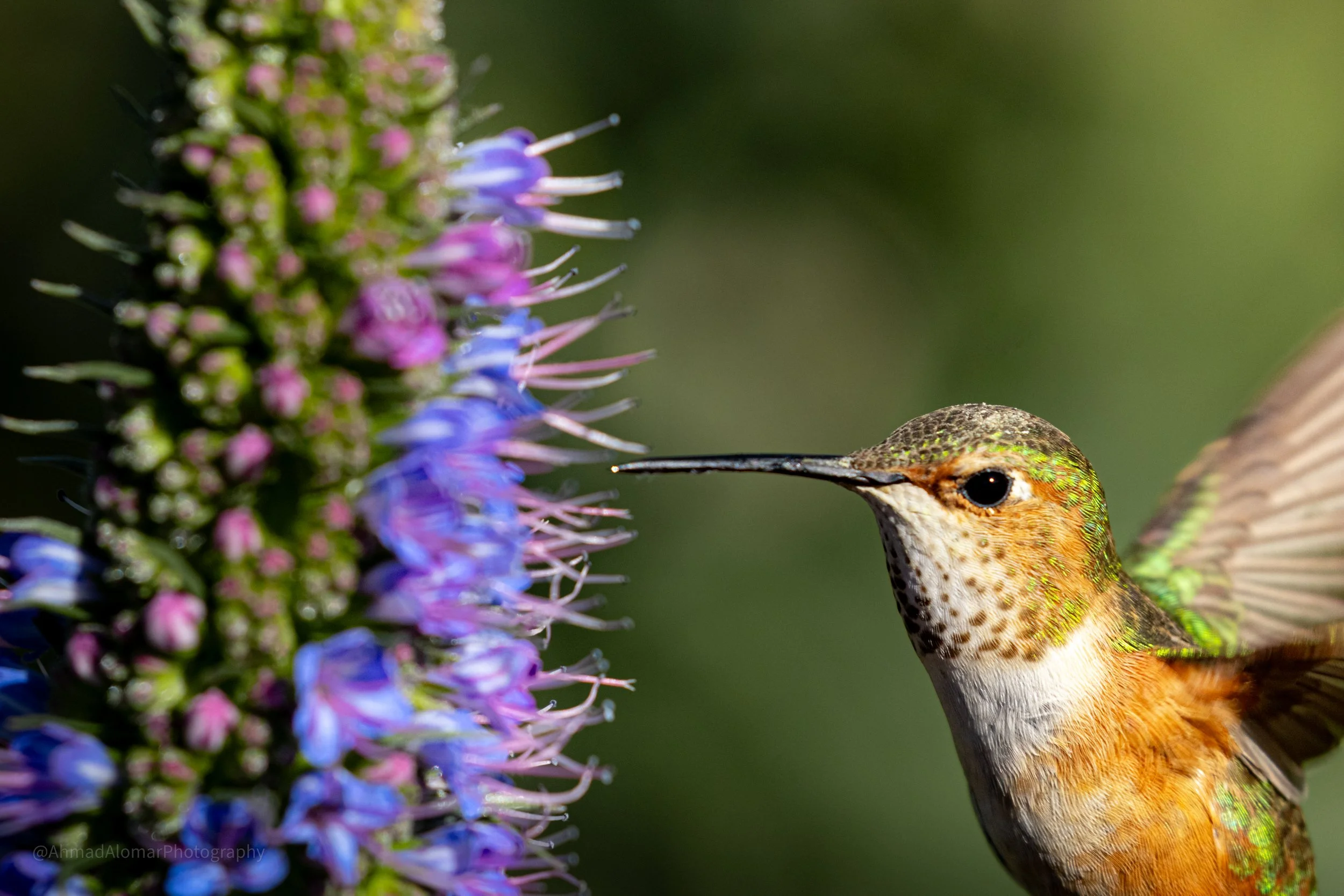
Another important step is not to feed wildlife. Feeding large animals is harmful for reasons I’ve already mentioned. Directly feeding smaller animals can be replaced with much more environmentally friendly options. Instead of feeding squirrels, ask your local park to plant more native trees with nuts and seeds they enjoy eating. Instead of hanging up a hummingbird feeder, plant some native flowers in your yard or in a pot outside your window. Instead of feeding bears, don’t.
All these steps help keep wildlife wild and protect them from an unhealthy dependence on humans. Loving and appreciating animals does not mean doing what gets us the most attention or what makes us feel most special; it means interacting with them responsibly for their health and safety.